

RUSSIA MOVES TO BAN PUBLIC WORSHIP IN HOUSES AND APARTMENTS
Churches in Russia are bracing for what may be one of the largest changes in the country’s religious life since the collapse of the Soviet Union. A bill set to come before Russia’s official legislature, the Duma, in June proposes to ban worship services as well as prayer, religious meetings, and evangelistic activities in houses, apartments, and buildings attached to apartments.
That’s the word from persecution watchdog Voice of the Martyrs Korea, which says that the bill is the latest in a series of attempts in recent years by legislators to ban religious gatherings in homes and apartments. “The difference this time is that the bill has strong support across nearly all of Russia’s political factions, and it has already undergone legislative review and been pronounced constitutional,” says Voice of the Martyrs CEO Pastor Eric Foley. He says the bill is being opposed by both Protestant and Russian Orthodox church associations but appears on track to be voted into law this summer.
The bill says that religious activities in homes, apartments, and buildings attached to apartments is only permitted “for the purpose of meeting the individual spiritual needs of persons lawfully residing therein.”
“It’s difficult for Christians outside Russia to understand what a huge change this is,” says Pastor Foley. “A ‘prayer house’—meaning a house or apartment adapted for church use—is among the most common places Russian Christians meet. During Soviet times, churches were of course not able to buy or build places to meet. They had no choice but to meet in houses and apartments. Even after the Soviet Union collapsed, the number of churches that have continued to meet in this way has remained very high. Buying buildings and property in most areas of Russia is simply too expensive for churches. For churches that choose not to register with the government but instead meet in a prayer house, this law essentially criminalizes their existence.”
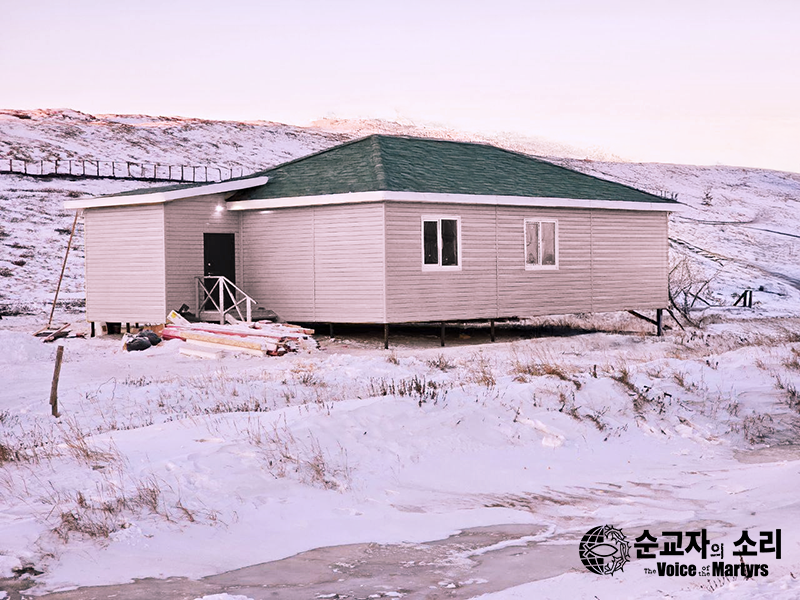
File photo of a Russian “prayer house”.
The International Union of Evangelical Christian Baptist Churches, whose churches do not register with the government, has provided a template to its churches, encouraging them to write letters to the Chairman of the State Duma opposing the bill. The letter says in part, “Attending services and praying together is an urgent need for every Christian, and the adoption of this law and the introduction of restrictions on the conduct of services in residential premises will lead to an increase in tension and conflicts between us and the authorities.”
The head of one of Russia’s largest Pentecostal denominations, Bishop Sergey Ryakhovsky, of the Russian United Union of Christians of Evangelical Faith, has spoken out publicly against the proposed law on RuTube, Russia’s version of YouTube. “If the law is adopted, everything that has formed the foundation of our faith for centuries will be under threat: home groups, family prayers, the taking of communion, and much more,” said Ryakhovsky. He said the law “essentially proposes to fundamentally change the very possibility of our Christian life outside the walls of official church buildings.” The bishop expressed particular concern for churches in rural areas and small towns, who typically lack the resources to purchase the kind of special-purpose buildings that will be required for meeting under the new law.
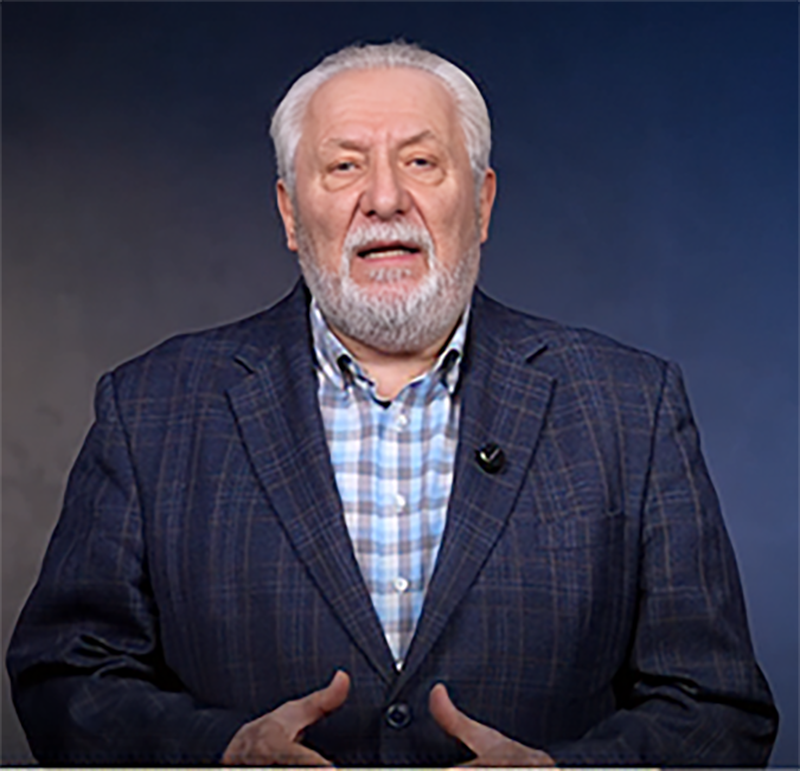
Bishop Sergey Ryakhovsky, of the Russian United Union of Christians of Evangelical Faith, has spoken out publicly against the proposed law on RuTube, Russia’s version of YouTube
A total of 67 lawmakers co-authored the bill, which is officially a series of amendments to the Federal Law “On Freedom of Conscience and Religious Associations” and the Housing Code of the Russian Federation. The bill is scheduled to come before the Duma for a first reading in June.
According to the bill’s co-authors, the amendments are necessary to safeguard public order and prevent extremism and illegal immigration.
Sergey Mironov, head of the “A Just Russia faction” in the State Duma, says, “The opening of ‘prayer houses’ in residential buildings concerns many citizens across various regions of our country. Large gatherings of people, disorder in entrances and courtyards, and disregard for generally accepted rules of conduct often accompany such activities and lead to conflicts between residents and attendees.”
Andrey Lugovoy, First Deputy Chairman of the State Duma Committee on Security and Anti-Corruption, says, “’Prayer apartments can turn into shelters for criminal elements, extremists, and illegal migrants. Our draft law will help regulate this situation.”
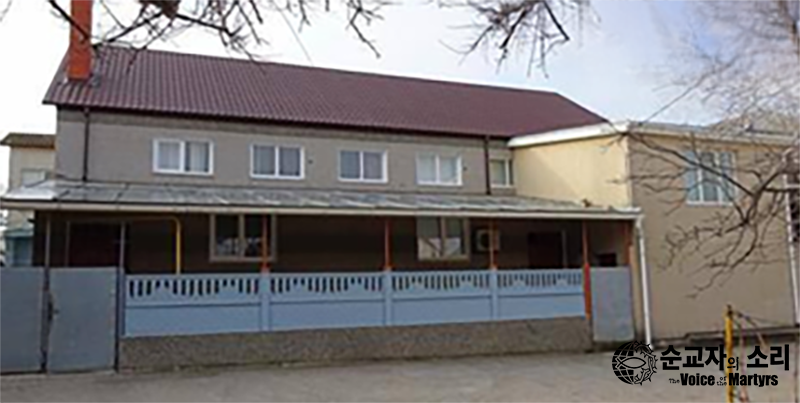
File photo of a Russian “prayer house”.
But the Consultative Council of Heads of Protestant Churches says that very few concerns about public safety have ever arisen as a result of prayer houses. In a published appeal to the Chairman of the State Duma, the Council wrote, “Throughout the history of Protestant churches in Russia, there have been no recorded mass complaints from citizens about their activities. For many years, non-residential premises and premises in apartment buildings have been regularly used by Protestant churches to conduct religious services and other rites and ceremonies.”
Even the Orthodox Church has expressed concerns. Abbess Ksenia Chernega, head of the Legal Department of the Moscow Patriarchate, says the proposed law’s ban on evangelistic activity during private services is “unacceptable”. “For example, when consecrating a dwelling or administering communion to a sick person at home, a clergyman may come into contact on religious matters with the resident’s relatives living in the same premises who are not followers of the respective religious organization,” says Abbess Ksenia. “According to the logic of the draft law, in such cases a priest could be held administratively liable for unlawful missionary activity.”
Pastor Foley says that the proposed law reflects the continued decline in religious freedom across the Russian Federation. “The 2025 US Commission on International Religious Freedom report on Russia says, ‘Russia criminalizes the activities of several peaceful religious groups by designating them as “terrorist,” “extremist,” or “undesirable,” despite no evidence of their promotion of or participation in violence.’ That’s exactly what we see in the case of this new law. Lawmakers say prayer houses must be banned in order to prevent ‘extremist’ activity. But the activity of prayer houses hasn’t changed for literally a hundred years. The only thing that has changed is that now Russian authorities are calling house churches a breeding ground for ‘extremists’, despite all common-sense evidence to the contrary.”
Since 2021, the United States has designated Russia as one of 12 ‘Countries of Particular Concern’ for religious freedom violations, along with countries including China, Iran, North Korea, Pakistan, and Cuba.
Individuals interested in learning more about restrictions on religious freedom in Russia may visit https://vomkorea.com/en/project/russia-ministry/.